Location: El Puertito de Adeje, Tenerife
Project type: Serviced residential & hospitality development
Residences: Beach Apartments, Casas Casitas and Valley Villas
Residence size: 1–4 bedrooms
Ownership: Full ownership
Owner usage: Up to 3 months/year
Hotel operation: Remaining period
Public-use land: More than 45%
Public green spaces: Approximately 25%
Organic garden: Approximately 20,000 m²
Beach: Public and accessible
Planned completion: 2028
Estimated employment: Approximately 750 direct and indirect jobs
In today’s episode, we are joined by the Creative Director of Cuna del Alma, the visionary mind behind this extraordinary project. With foresight, imagination, and an exceptional ability to bring ideas to life, they have transformed the collective vision of the investors and the team into a tangible reality.
Discover how creativity, innovation, and meticulous attention to detail come together to shape every aspect of Cuna del Alma — from its design and architecture to its holistic approach to luxury living.
For those fascinated by design, visionary thinking, and the art of creating elevated lifestyles, this episode offers an exclusive look at the creative force that turns Cuna del Alma into a masterpiece of elegance and sophistication.
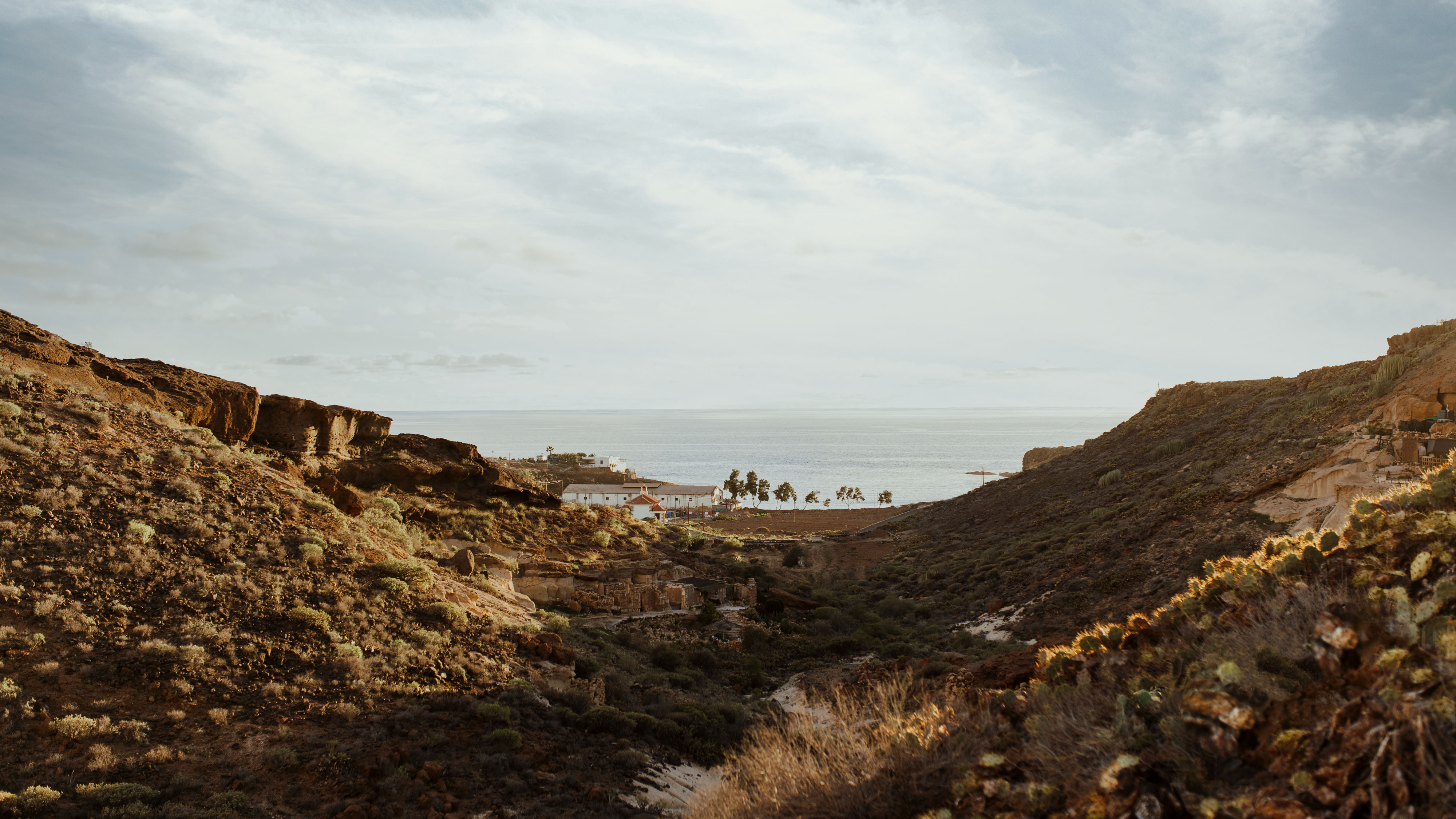
This section describes the project's core concept, highlights what makes living there exceptional, and explains how it differs from traditional mass tourism.
Cuna del Alma is a serviced residential and hospitality development located in El Puertito de Adeje, on the Southwest coast of Tenerife.
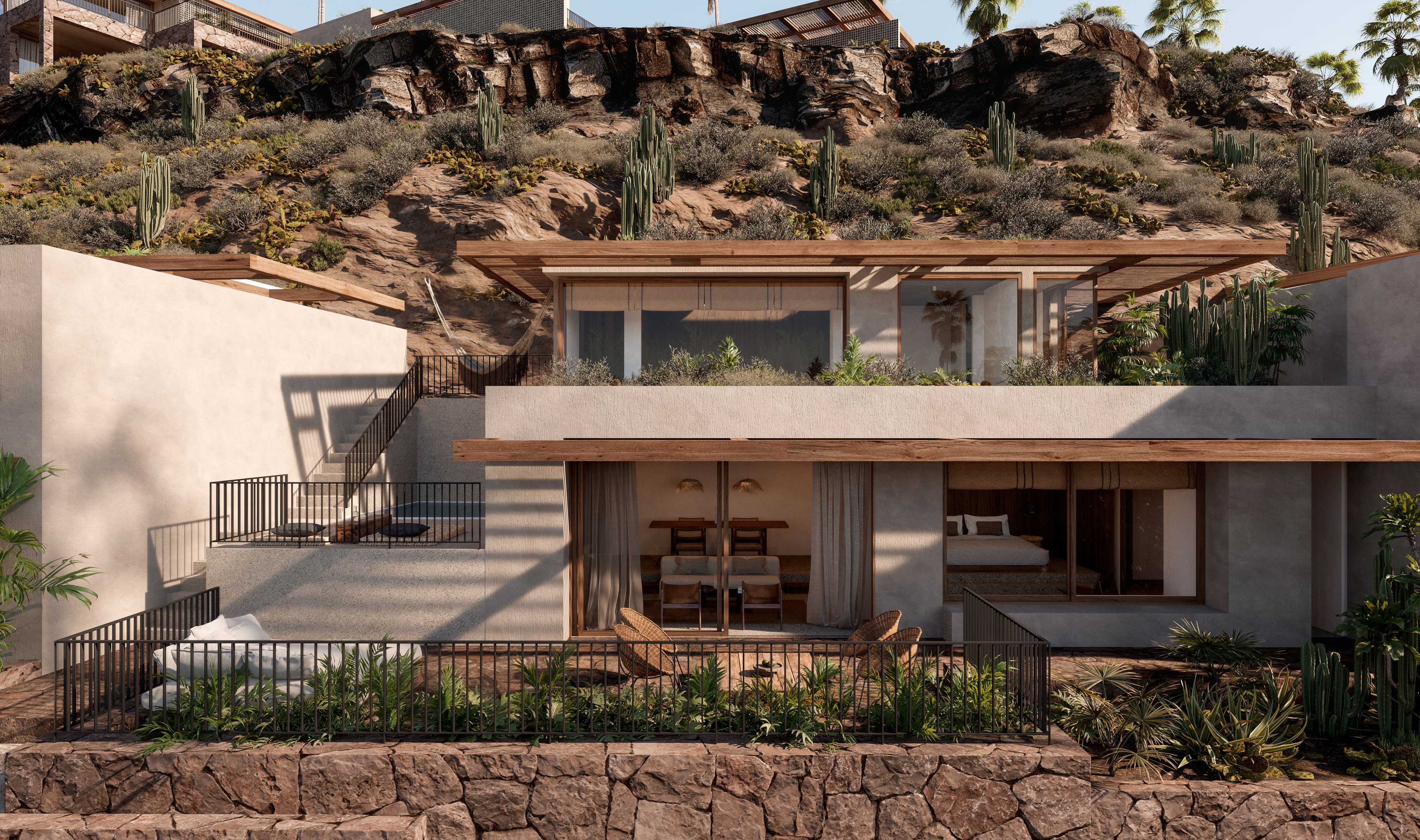
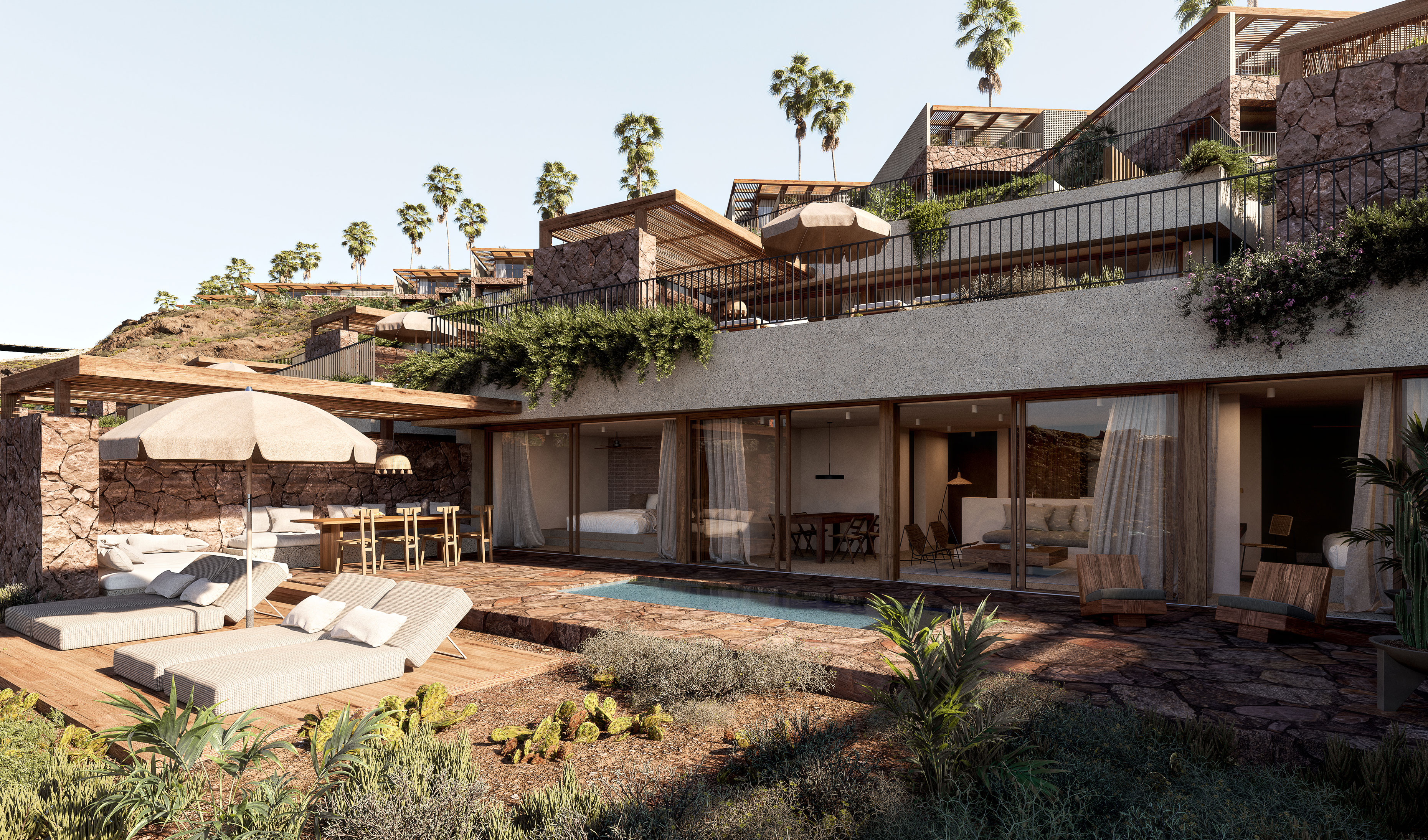
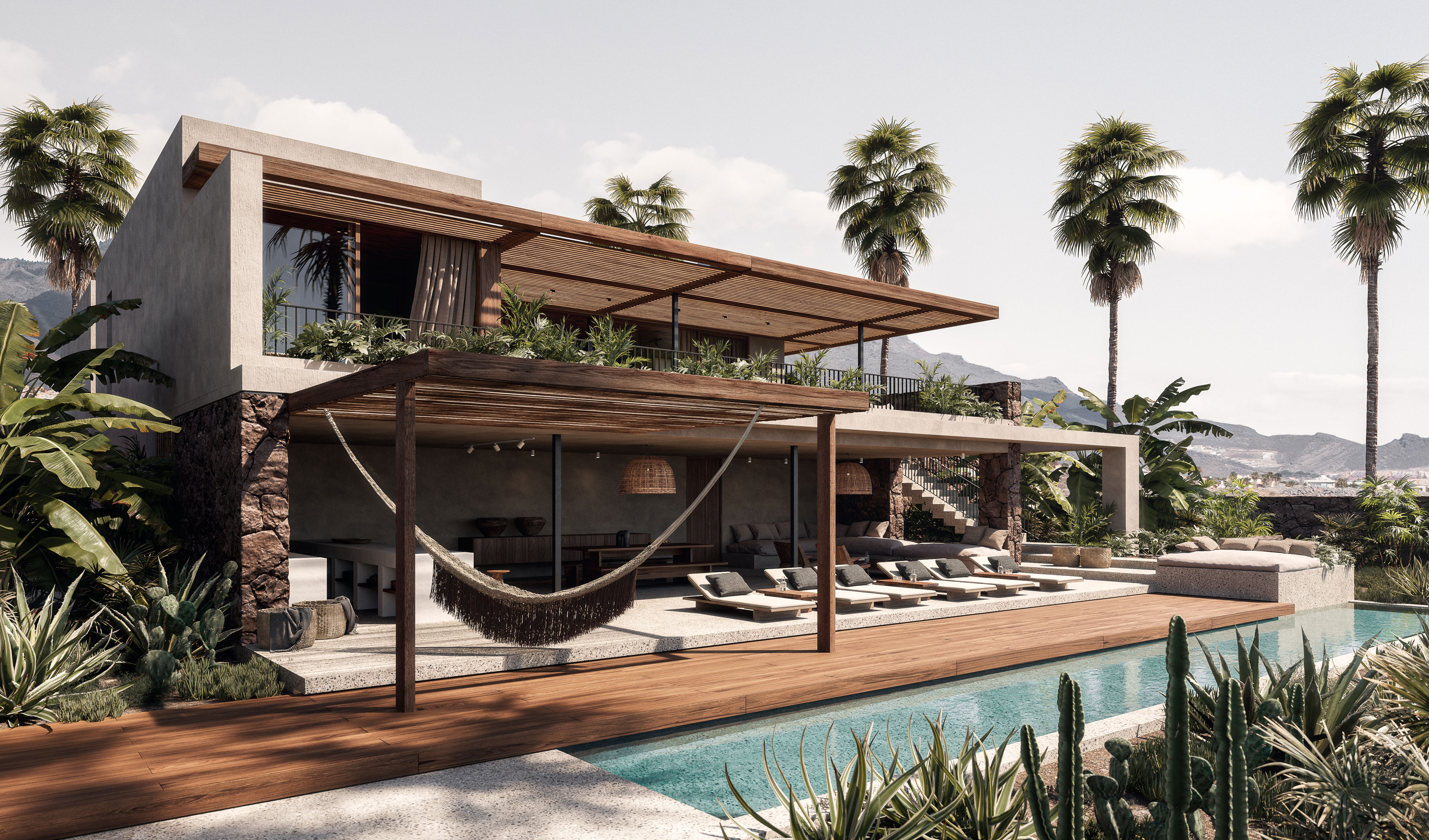
The project combines privately owned residences—including Beach Apartments, Casas Casitas and Valley Villas—with professional hotel management and five-star hospitality services.
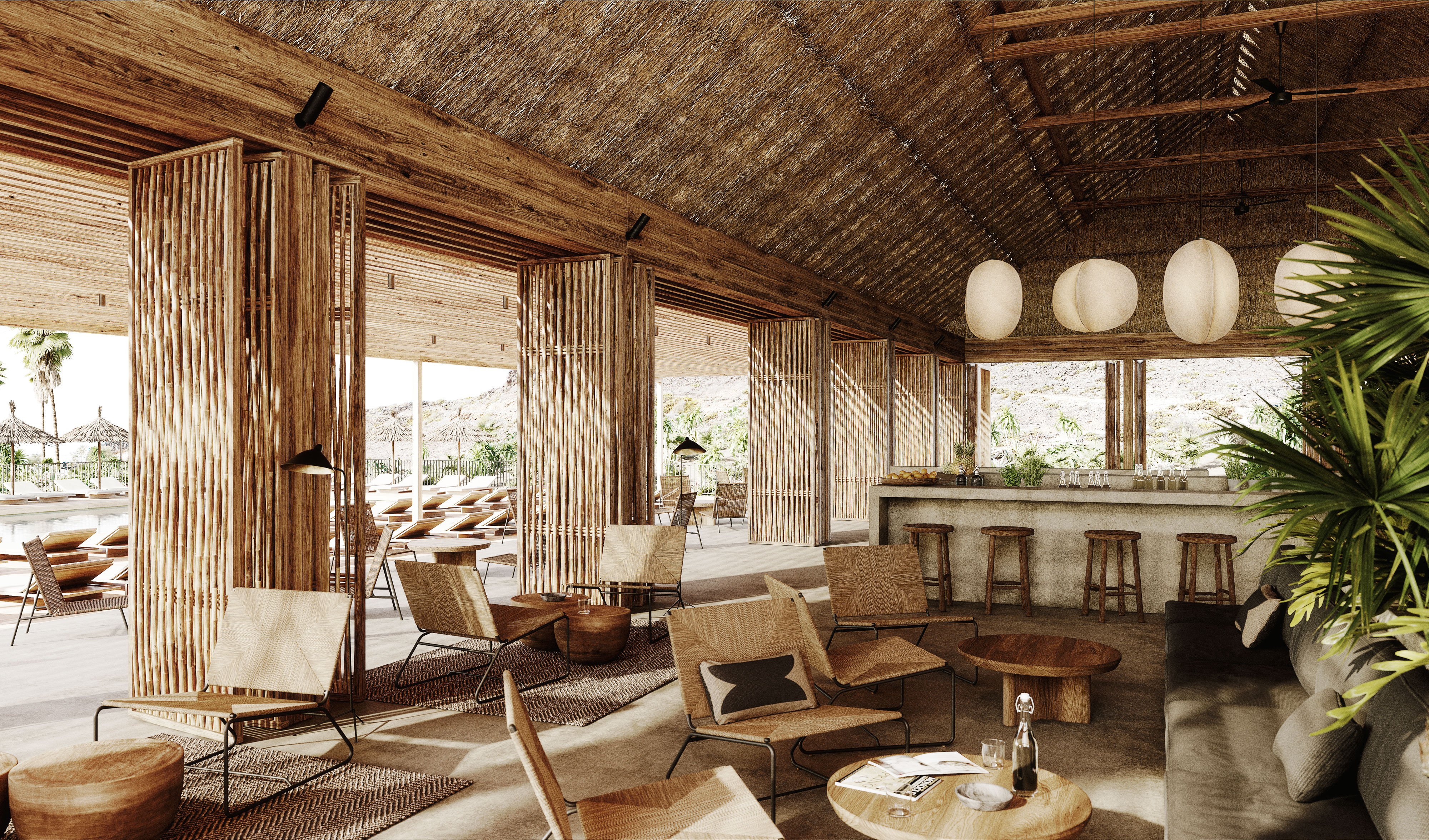
The concept is designed for people looking for a second home in Tenerife while having access to the services, maintenance and hospitality infrastructure of a luxury resort.
"Cuna del Alma" translates as "Cradle of the Soul."
The name reflects the project's philosophy of creating a development that is closely connected to its natural surroundings, the landscape and the local character of Tenerife.
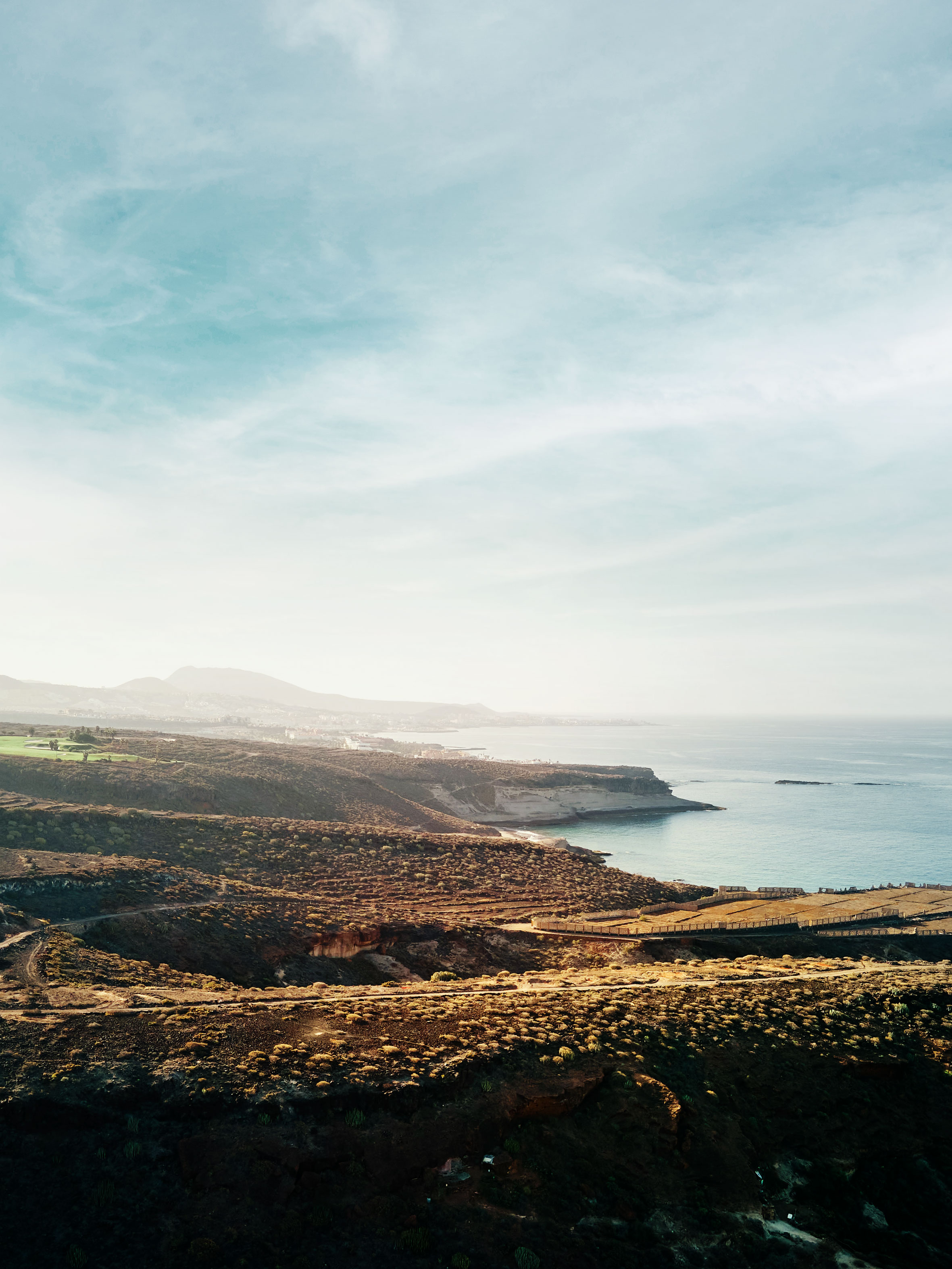
Cuna del Alma is located in El Puertito de Adeje, on the southwest coast of Tenerife in the Canary Islands.
The location combines proximity to the Atlantic Ocean with access to the wider Costa Adeje area.
The project is aimed at discerning travelers and second-home buyers who value:
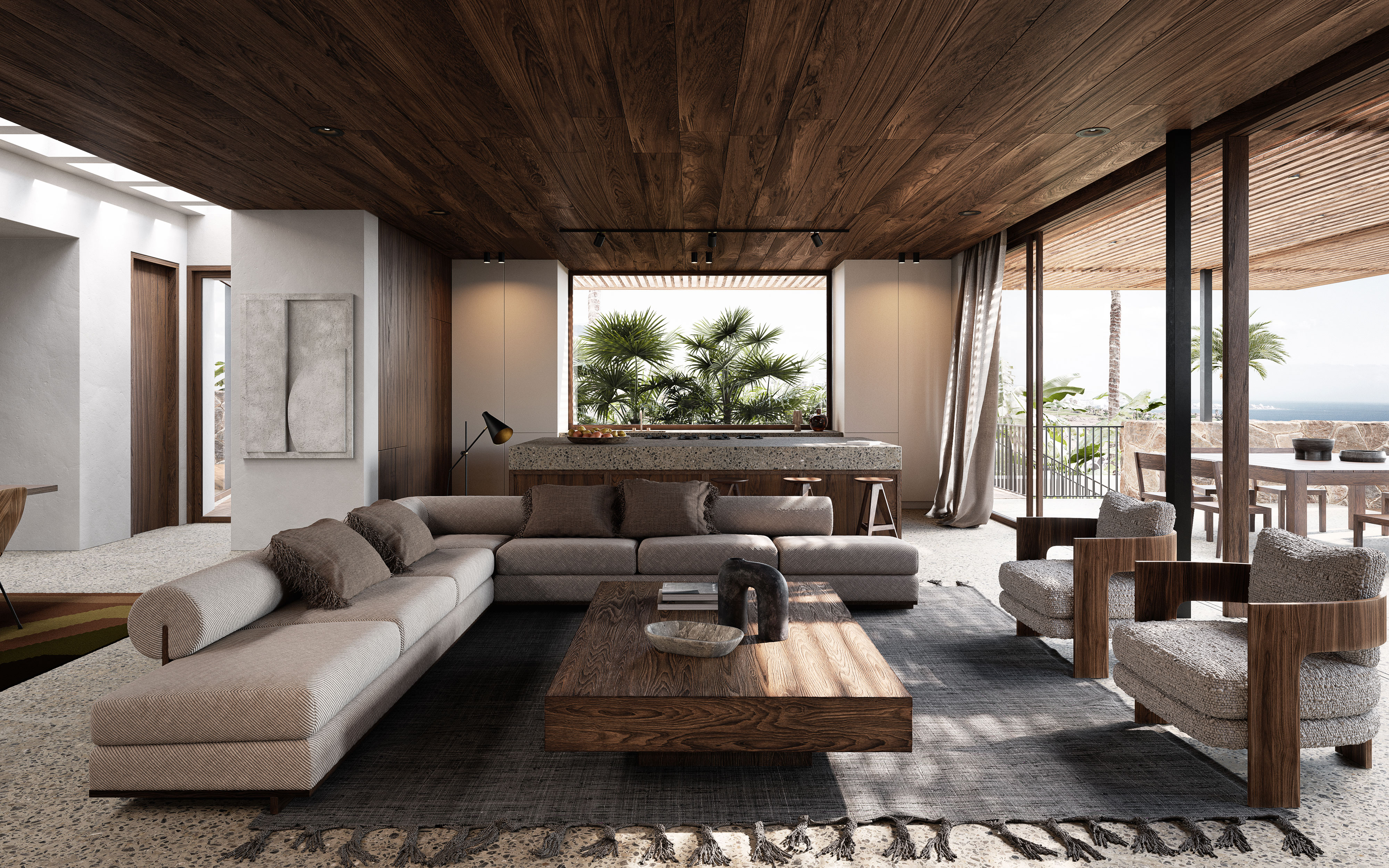
A Cuna del Alma residence is designed to provide the experience of a private second home combined with five-star hospitality services.
Depending on the residence, owners can benefit from features such as:
The concept therefore combines residential ownership with the services and infrastructure normally associated with a luxury resort.
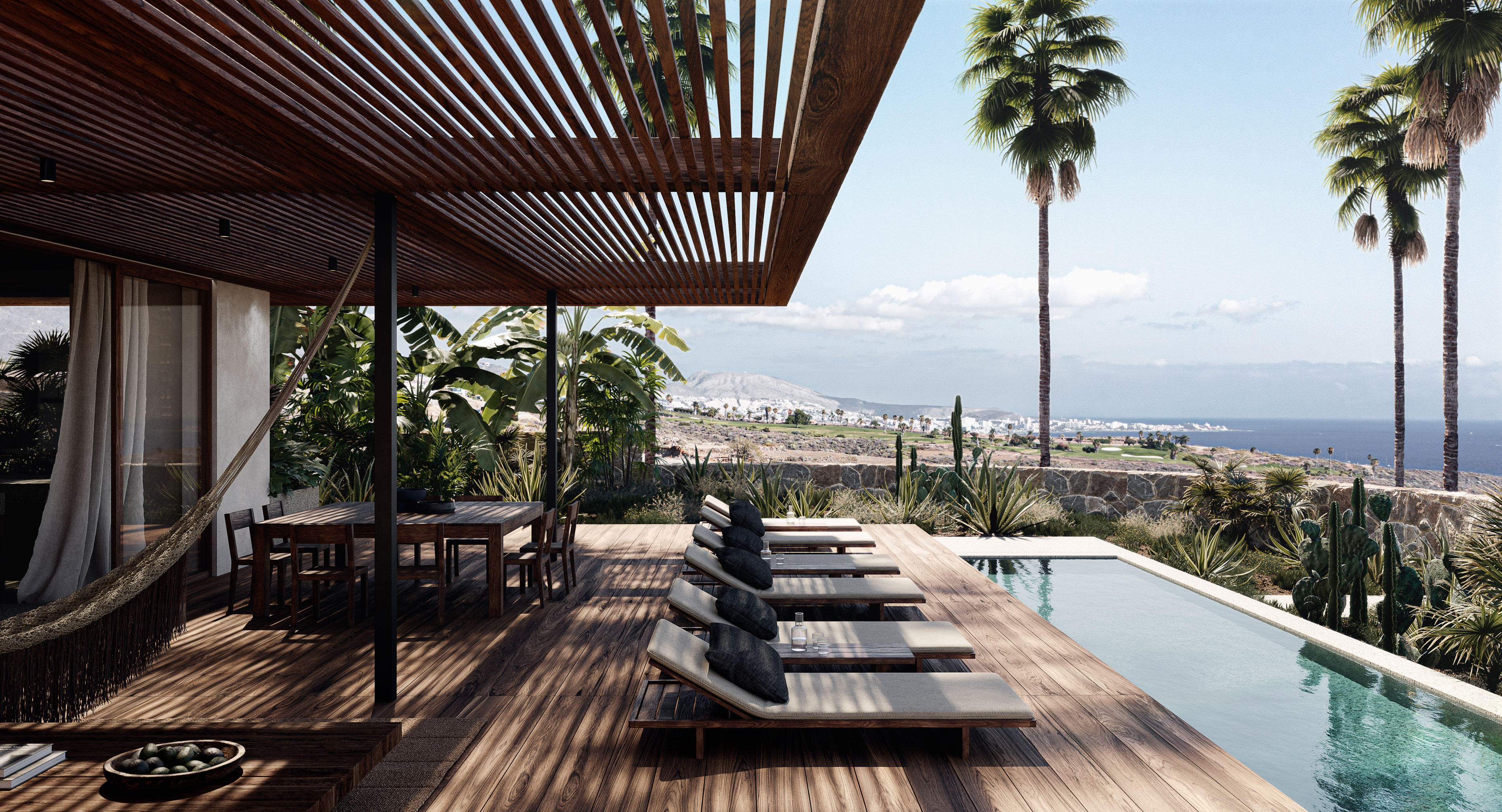
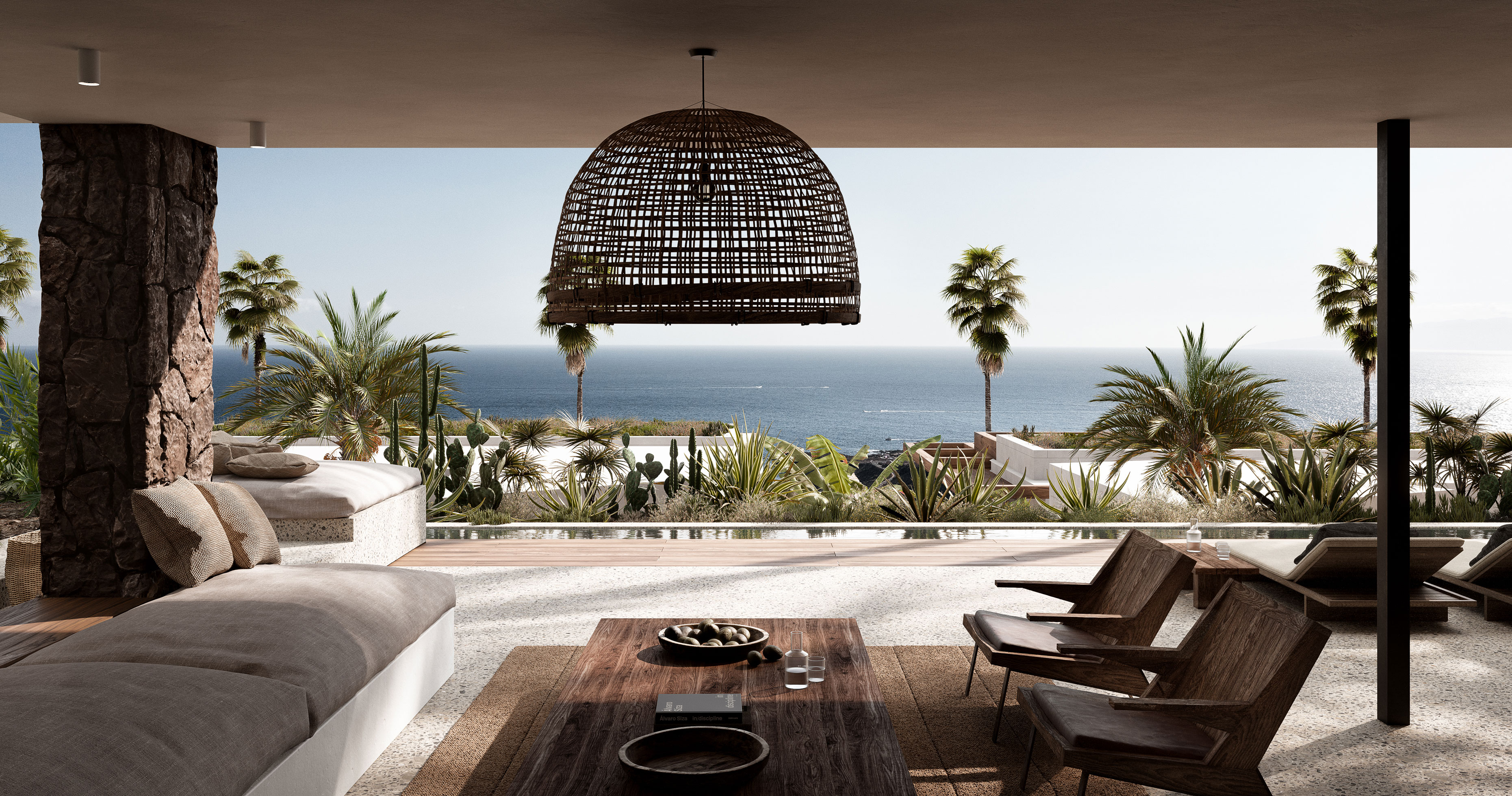
This section outlines the project's sustainability, planned amenities like the organic garden, its investors, target audience, and the benefits of its hotel-managed property model.
The development includes:
The project is designed as a combination of residential ownership, hospitality and natural areas rather than as a conventional hotel development.
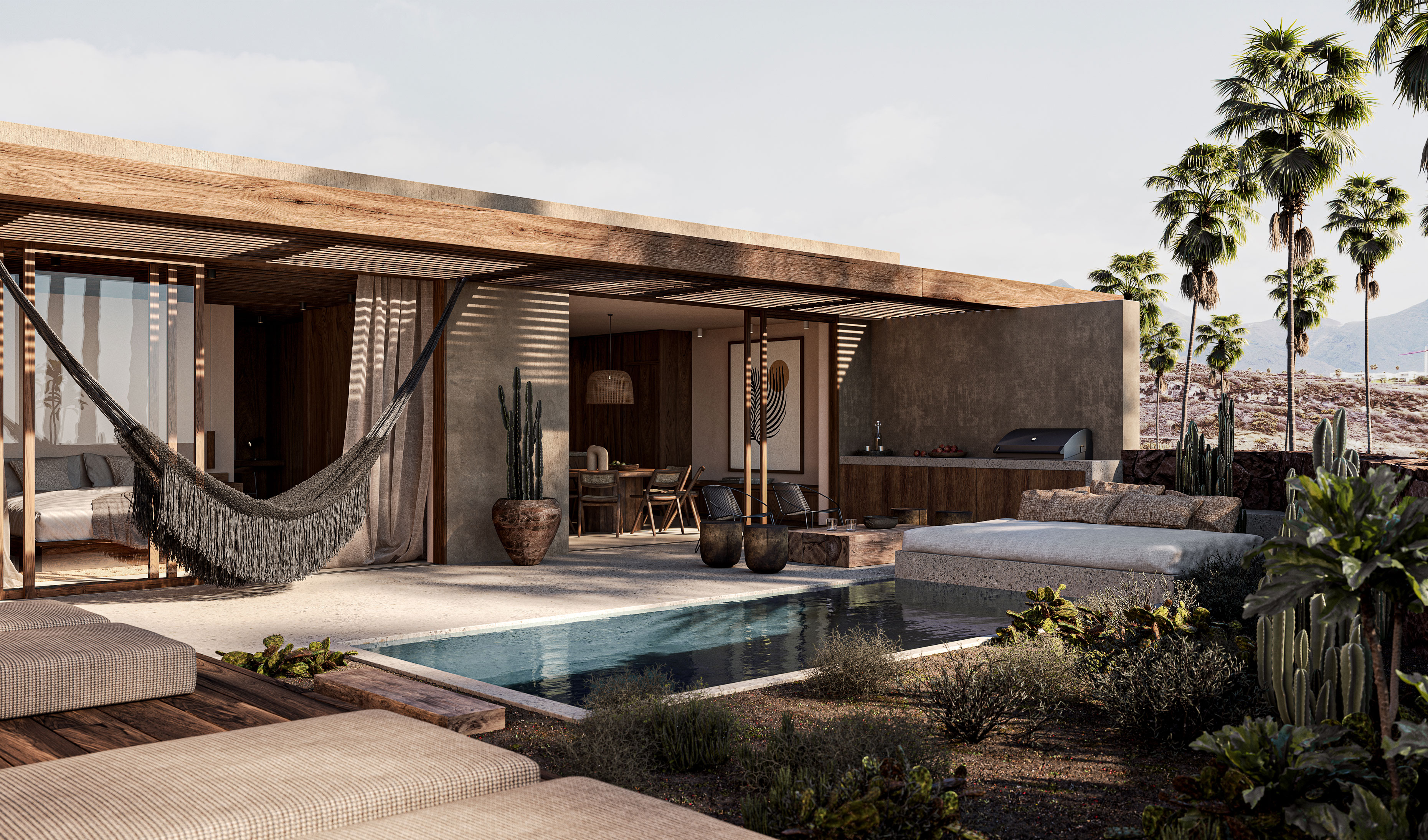
Cuna del Alma includes three main types of residences:
Low-rise apartments with terraces oriented towards the Atlantic Ocean.
Smaller residences integrated into landscaped gardens, designed around privacy, comfort and a close connection with the surrounding environment.
More secluded residences offering increased privacy and views towards the surrounding landscape and sea. Properties range from one to four bedrooms, depending on the residence.
Yes. The residences are delivered fully finished and furnished, including furniture and essential household items.
The objective is to provide a turnkey residence that can be used immediately after completion.
Yes. Each owner has access to a dedicated storage area for personal belongings such as bicycles, golf equipment, surfboards, clothing and other items.
Access is restricted to the owner.
The Casitas, Beach Apartments and Valley Villas are currently scheduled for completion by 2028.
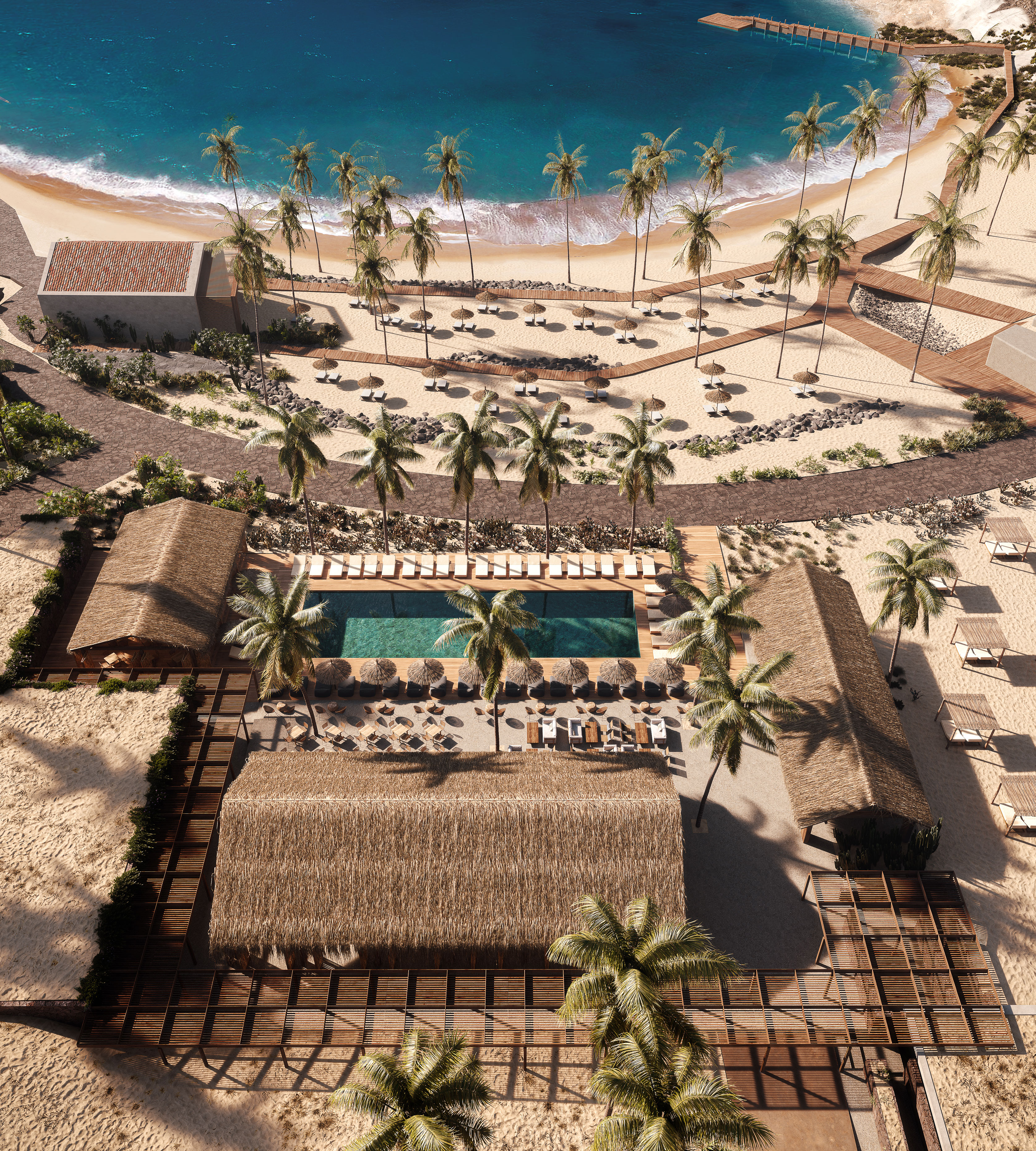
The Beach Club and Water Sports Club are also planned to be completed as part of this phase.
Operations are planned to begin once the relevant residences and facilities are completed.
The hotel operation will then welcome both hotel guests and property owners.
The project is being developed through a collaboration between local tourism-property specialists and two Belgian investor families with experience in developing serviced residences in Tenerife.
The development is being executed by a local Spanish team, combining international investment experience with local knowledge.
Here, you'll find information on the practical details of property ownership, including ownership rights, furnishing, services available to owners, usage limits, costs, and the expected income from the hotel management program.
Yes. All Cuna del Alma units are sold with full ownership, formalized before a notary.
The property and the applicable provisions are recorded in the master deed. Owners may sell or transfer their property, subject to the conditions of the management agreement. A new buyer must also enter into the applicable management contract.
Owners can use their property for up to three months per year, according to the management agreement.
During the remaining nine months, the property is operated by the hotel management as part of the resort's accommodation inventory.
When the owner is not using the property, it is managed by the hotel operator and made available as part of the resort's accommodation.
This model is designed to ensure that the residence is professionally maintained and used throughout the year.
Yes. Owners may invite friends or acquaintances, subject to prior authorization from the management and the applicable occupancy conditions.
The combined use by the owner and guests cannot exceed the owner's annual three-month usage allowance. Private subletting is not permitted.
On request.
Yes. Owners receive services comparable to those available to hotel guests while staying at the resort. The owner package includes:
Additional services, such as catering, spa treatments and other premium services, are complementary.
The hotel management team is responsible for managing the property when it forms part of the resort's accommodation operation.
This allows owners to use the property as a second home without having to manage day-to-day maintenance or guest operations themselves.
According to the current management model, property-related expenses are covered by the operator while the property is operated as part of the resort. This includes community-related expenses and utilities such as:
The exact financial obligations of an owner are governed by the applicable purchase and management agreements.
Yes. Owners collectively participate in a shared fund and receive a defined percentage of net accommodation income, as established in the management agreement.
The income is based on the accommodation revenue actually generated by the hotel operator.
Yes. The amount of the owner's income depends on the actual accommodation revenue generated by the resort and the terms of the management agreement.
The minimum rental income for the whole pool of apartments is 1.000.000 EURO.
The model is designed to combine two uses:
Owner use → up to 3 months per year
Hotel operation → remaining period
During the hotel-operation period, the property is professionally managed and made available to guests.
Cuna del Alma is an exclusive eco-luxury residential community in El Puertito, Costa Adeje, Tenerife. Blending modern design with sustainable living, it offers villas and apartments by the sea, complemented by amenities such as a beach club, organic farm, spa, and holistic lifestyle services.

This section highlights the project's commitment to the local community, detailing its engagement with residents, the benefits it provides to the area, and the number of jobs it is expected to create.
The project states that it aims to improve infrastructure and public services in El Puertito de Adeje. Planned improvements include:
More than 45% of the project area is designated for public use.
The project estimates approximately 750 direct and indirect employment opportunities during both construction and ongoing operations.
The project intends to prioritize local residents where possible.
According to the project, residents of legally occupied traditional homes will not be expropriated or required to leave their homes.
The situation of people occupying land without legal authorization is governed separately under the applicable legal framework. Legal landowners participate in the relevant compensation or cooperation mechanisms provided by law.
Yes. The beach is intended to remain publicly accessible rather than becoming a private facility for property owners or hotel guests.
This section focuses on the project's infrastructure and environmental initiatives, clarifying that key areas like streets and the beach will remain public and detailing efforts to preserve green spaces and the local ecosystem.
Sustainability is incorporated into both the physical development and the operating model. The project incorporates:
The project also deliberately limits development density, using no more than 50% of the permitted buildable area according to the project's planning approach. More than 45% of the land is designated for public use.
Approximately 25% of the land within the Action Unit is dedicated to public green spaces, in addition to green areas within individual development plots.
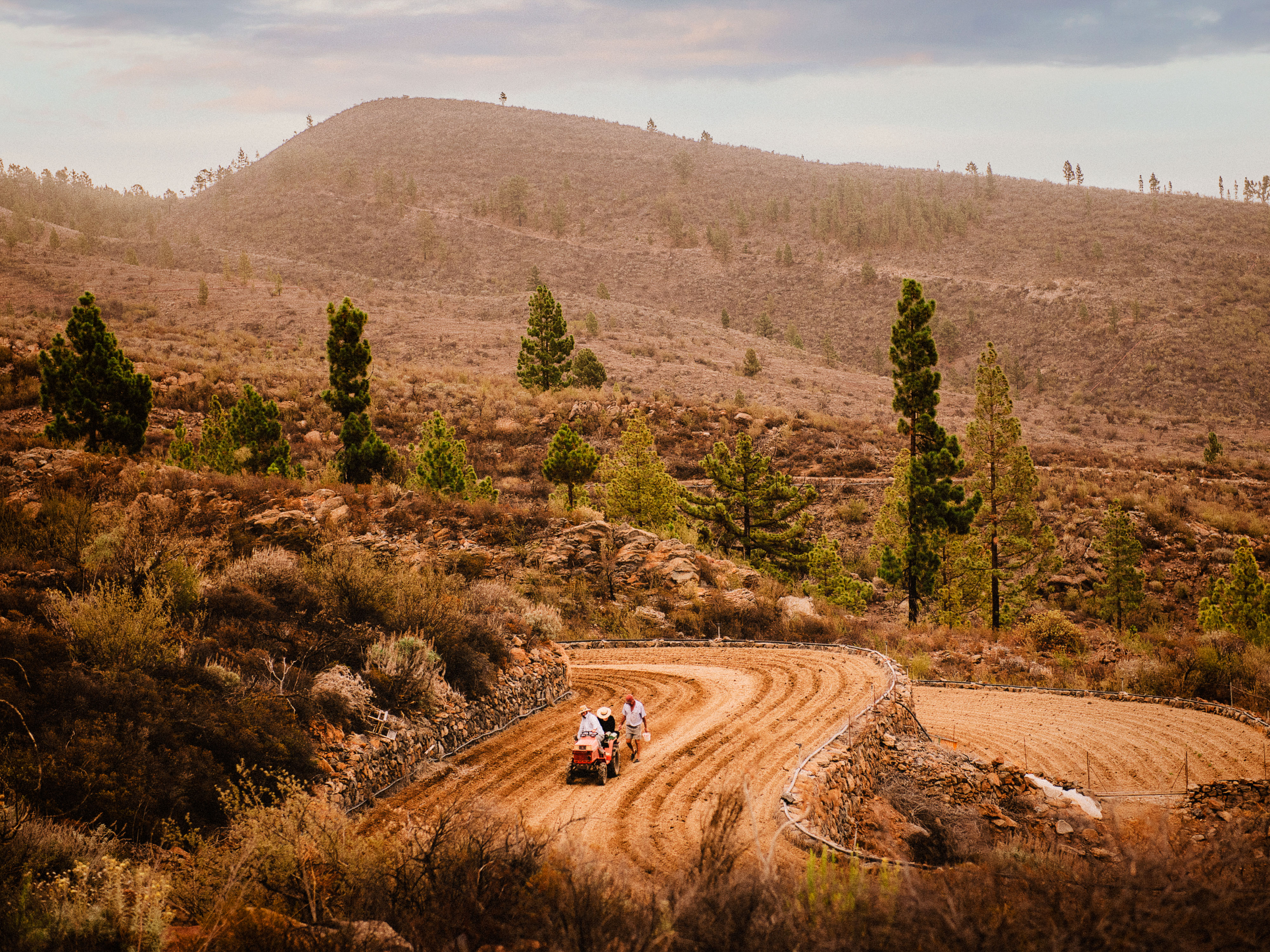
Yes. The project plans to restore previously abandoned agricultural land through an organic garden of approximately 20,000 m².
The garden is intended to grow vegetables and fruit, with particular emphasis on local varieties, while supporting biodiversity and reconnecting the development with Tenerife's agricultural heritage.
Environmental protection is incorporated into the project's planning and development process. Environmental assessments have identified plant species including Tabaibal and Cardonal that require protection.
According to the project, up to 1,000 plants are currently being safeguarded and restored.
No. According to the project, wastewater will not be discharged into the sea and the development will include the necessary sewage infrastructure.
Puertito de Adeje is not classified as a protected area.
The developers describe the existing area as environmentally and urbanistically degraded, citing illegal structures, dumping and damage to vegetation and heritage. The stated objective of the project is to restore the area while developing new infrastructure and public spaces.
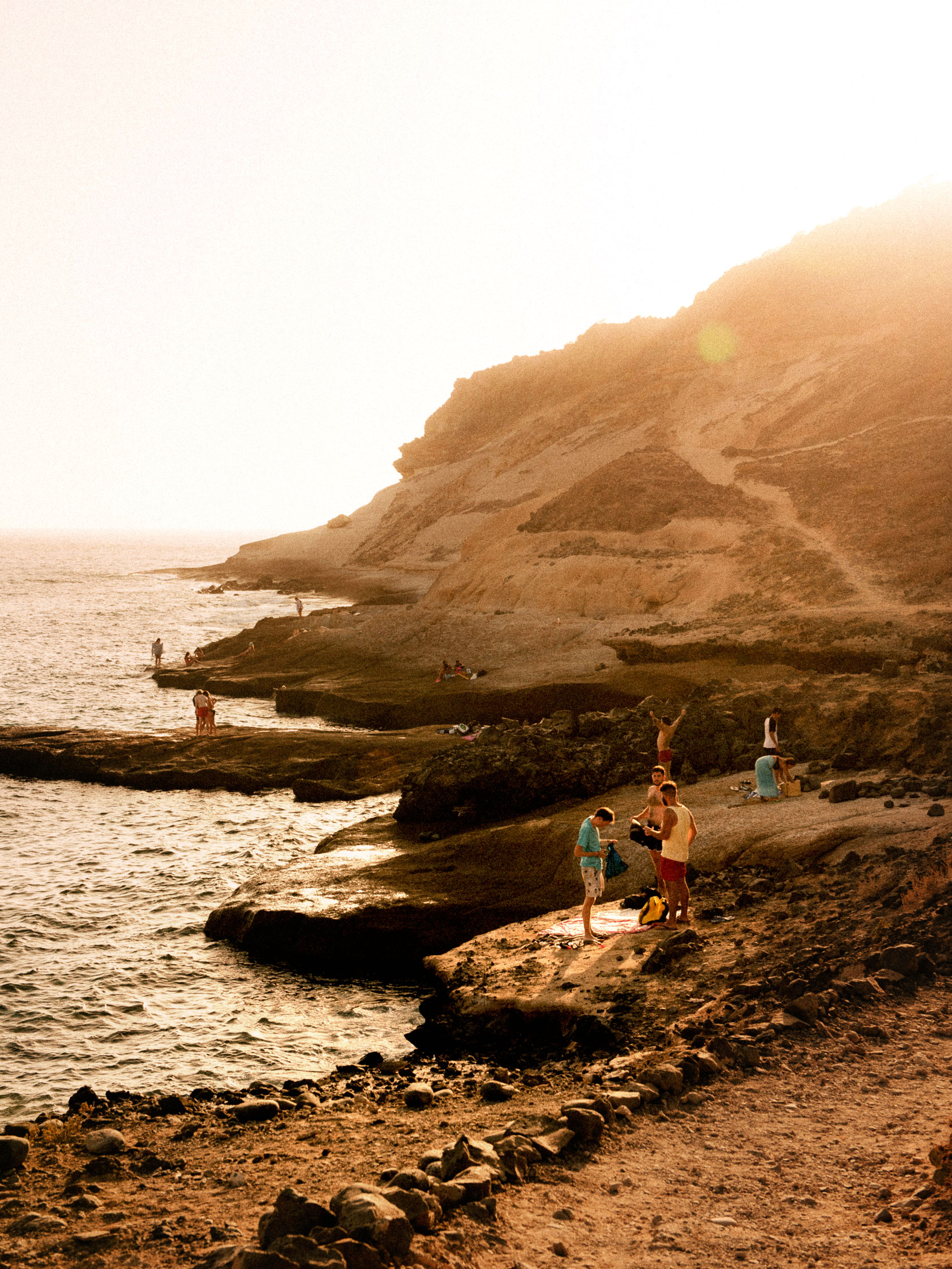
No. The beach will remain public and accessible to everyone.
The project includes restoration measures coordinated with the Coastal Authority, including the removal of illegal concrete structures and the expansion/restoration of the beach area.
This section provides information on the project's legal and regulatory compliance, confirming that it has obtained all necessary permits, environmental studies, and has undergone a public consultation process.
Yes. According to the project's documentation, the urbanisation permit was granted by Adeje Town Hall on 29 December 2021.
A two-month legal period for potential appeals followed the decision, and the project states that no appeals were received during that period.
Yes. The planning revision was accompanied by an Environmental Impact Study and environmental sustainability documentation. According to the project's documentation, these were reviewed by the relevant environmental authorities.
In 2018, COTMAC approved the Environmental Assessment and Environmental Sustainability Report.
Yes. The project states that the planning documentation was publicly announced in 2016 and made available for public consultation.
According to the project's documentation, no objections were submitted by public entities, private individuals or environmental organisations during that process.
The project has involved the relevant authorities at municipal, island, regional and national level, including:
Cuna del Alma has been the subject of public discussion concerning its environmental impact, urban development and relationship with the local area.
The project developers state that the development has undergone the applicable planning and environmental procedures and that environmental protection, public infrastructure and restoration measures form part of the project.
Because the project has attracted public scrutiny, prospective buyers should distinguish between public criticism or allegations and the project's formal planning, environmental and legal documentation.
The project's position is that the development has obtained the required planning and urbanisation approvals.
For transparency, buyers should consult the relevant official planning documents and permits rather than relying solely on statements made by either supporters or opponents of the project.
Concerns have focused primarily on the project's impact on the local landscape, vegetation, coastal environment and development density.
The project states that these issues have been addressed through environmental assessments, protected-plant measures, public green areas, restoration initiatives and restrictions on the amount of land developed.
Contact us for questions about the project and investment opportunities. Our team speaks several languages fluently and will be happy to explain the concept and philosophy of Cuna del Alma personally. Why don't you drop by our office? Our coffee machine makes a delicious coffee.